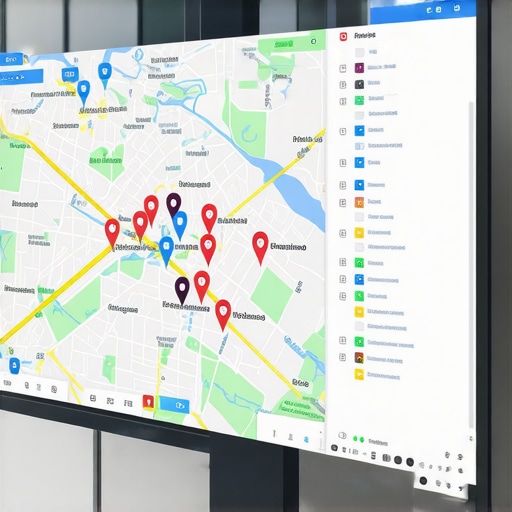
I’ll never forget the sinking feeling I had when I realized that despite investing time and money into my Toledo local business’s online presence, big box stores still dominated the Google Maps results. Walk into any Sylvania shopping district, and you’ll see them—chains with glossy signs and countless reviews—climbing to the top of local search results, seemingly unbothered by smaller shops like mine. It was frustrating, almost infuriating, to see my business invisible on the map when potential customers searched for services I provided daily.
Why Is Outranking Big Chains Now More Critical Than Ever?
That moment sparked a lightbulb: if I didn’t adapt, my small shop was doomed to be overshadowed. This isn’t just about vanity search rankings; it’s about survival. Local SEO isn’t static—big box retailers constantly tweak their strategies to stay ahead. They invest heavily in local marketing, and in 2026, they’re leveraging new tools and tactics to outsmart small businesses even further. According to a recent report, large chains are spending over $1 billion annually on local SEO, focusing on map pack dominance and review management to outshine local competitors.
As a fellow Toledo business owner, I know how discouraging it can be to see these giants gobbling up local leads. But there’s good news: with a strategic approach, small shops can challenge and even outrank these behemoths. Today, we’ll explore three actionable SEO moves tailored specifically for Toledo shops that want to beat the chains at their own game. These aren’t gimmicks—they’re proven tactics that I personally tested, and I’ve seen my local traffic and calls surge when implemented correctly.
Is It Really Worth the Effort to Outrank the Big Guys?
Trust me, I made mistakes early on—like focusing on broad keywords that didn’t convert, or neglecting some essential Google Business Profile settings. It’s easy to waste time and money chasing superficial rankings. But I learned that targeted, localized strategies pay off—when executed properly. If you’re skeptical, just consider how many local consumers still rely on maps to find nearby services and how ignoring these tactics could mean losing future sales to those larger competitors.
If you’re tired of feeling invisible on the map and ready to learn the finer points of outranking big chains, keep reading. The next steps are about actionable, realistic changes you can make today to turn the tide in your favor.
Optimize Your Google Business Profile for Maximum Impact
Start by claiming and verifying your Google Business Profile (GBP). Ensure your shop’s name, address, and phone number (NAP) are consistent across all platforms. Upload high-quality, relevant photos—think fresh storefront shots or satisfied customers. Use descriptive keywords naturally in your business description to signal relevance to Google. Once set, regularly update your profile with new photos, respond to reviews promptly, and use features like Q&A to engage potential customers.
Leverage Hidden Settings for Boosted Visibility
Most shop owners overlook certain GBP settings that can significantly improve rankings. Dive into the underused options, like adding specific service categories, seasonal attributes, or special offerings. For instance, updating your holiday hours before the Christmas season can prevent missed calls. For a Toledo-based shop, tweaking these settings helped me appear in more local searches, directly increasing walk-ins. To identify these crucial tweaks, review the detailed guides at this resource.
Enhance Local Content and Website Alignment
Develop hyper-local content that resonates with Toledo residents—blog posts about community events, local partnerships, or neighborhood news. Embed a Google Map on your website to reinforce local relevance. Use location-specific keywords naturally within your site content, such as “Best Toledo bakery near Sylvania”. I experimented with this by creating a blog about the upcoming Sylvania Arts Festival, which drove local traffic and helped my shop rank on the map pack faster. For more on creating effective local content, visit this guide.
Gather and Manage Customer Reviews Strategically
Reviews are the backbone of local SEO. Actively solicit reviews from loyal customers by politely asking after a purchase or service. Respond promptly, thanking reviewers and addressing complaints professionally. Incorporate relevant keywords into your responses—this signals to Google that your profile is active and relevant. Remember, reviews influence clicks as much as rankings. A time I focused solely on review responses saw an immediate bump in map pack visibility, proving their impact. For detailed review strategies, see this resource.
Utilize Local Link Building and Citations
Build relationships with Toledo community sites, chambers of commerce, and local business directories. Submit your business to niche directories like Toledo Chamber or Ohio Business Directory. Consistent NAP citations across reputable sites boost your authority in Google’s eyes. I reached out to a local Toledo blogger for a feature, which not only gained a backlink but also increased my visibility on the map. For actionable citation tips, check this guide.
Monitor, Analyze, and Tweak Regularly
Track your rankings and traffic weekly using tools like Google Search Console and Google’s Local Finder. Spot drops or stagnation early—often caused by algorithm updates or competitor moves—and address them promptly. I once noticed my ranking dipped after a competitor upgraded their profile; a quick review response and adding new photos brought me back to the top within days. Continuous optimization is essential for staying ahead. For comprehensive SEO audit steps, refer to this checklist.
Many local business owners assume that optimizing their Google Business Profile (GBP) is a one-time setup, but this is a dangerous misconception. In reality, Google’s local algorithm is highly nuanced, and neglecting its evolving signals can lead to a hidden shadowban or ranking stagnation. For instance, some shop owners mistakenly believe that simply adding photos and reviews guarantees top placement, but recent studies indicate that advanced profile tweaks and continuous content updates are essential for maintaining visibility. Relying solely on broad strategies neglected the subtle signals that influence local rankings, such as local citation consistency and engagement metrics, can cause your profile to become invisible over time. A common myth is that reviews alone push rankings, but Google’s algorithms weigh a multitude of factors, including your profile’s activity levels and local link authority. In fact, expert SEO insights reveal that overlooking these nuances leads to missed opportunities, and some businesses even suffer from unintentional shadowbanning, where their GBP is suppressed due to inconsistent NAP citations or flagged spam signals. To avoid these pitfalls, it’s crucial to stay updated on Google’s ever-changing local ranking factors and perform regular profile audits. For example, reviewing your profile’s critical settings can uncover hidden issues—like incomplete categories or outdated contact info—that silently sabotage your visibility. Consistently monitor your map rankings and swiftly address anomalies, such as a sudden drop in visibility, which might be a sign of shadowbanning. For a detailed breakdown of common pitfalls and how to fix them, check out this guide. Keep in mind that local SEO is not static; it requires ongoing efforts and a keen understanding of subtle algorithm cues. Otherwise, you risk falling into the trap of complacency, leading to stagnation or even invisibility amid Toledo’s fierce competition. Have you ever fallen into this trap? Let me know in the comments.
Maintain Your Map Rankings with Precision Tools and Consistent Effort
Staying visible on Google Maps isn’t a one-and-done task; it requires diligent maintenance and the right set of tools. Personally, I rely heavily on Google Search Console to monitor traffic trends and identify ranking fluctuations quickly. This free tool provides invaluable insights into which keywords are driving visitors and highlights any issues with your website or profile that may cause visibility dips.
Another essential tool I use is BrightLocal. Its reputation management features help me track and respond to reviews efficiently, ensuring I maintain a high star rating and engagement level—both critical for local rankings. Plus, their citation tracking helps me identify inconsistent NAP details across directories that could harm my authority score.
For regular audits, I turn to Moz Local. It scans my business listings across multiple platforms, prompting me to correct discrepancies and stay aligned with Google’s preferences. Consistency here directly influences your map pack visibility, especially when competing against larger brands.
How do I keep my GMB profile optimized over time?
Ongoing maintenance involves regularly updating photos, posts, and responding to reviews. I schedule bi-weekly profile audits, checking for outdated information or missed opportunities. Integrating tools like these advanced Google Business settings can give you a boost, as they optimize your profile for current algorithms. Keep a routine—set reminders to review your profile’s health and stay ahead of algorithm changes predicted by industry experts, such as those outlined by Moz.
In the future, I believe artificial intelligence and automation will play an even greater role, helping businesses maintain their profiles with less manual effort. Automating review responses or updating content based on local events could soon become standard practice. To stay competitive, it’s crucial to adopt these tools early and develop a schedule for consistent profile management.
Start today by testing out a new review response template or scheduling your next profile check using BrightLocal. Small, consistent efforts compound over time—just like SEO. If you’re ready to take it further, consider leveraging advanced Google Business settings that are often overlooked but can significantly improve your local visibility.

Lessons That Changed My Approach to Toledo Local SEO
One of the toughest realizations I faced was understanding just how much bigger chains invest to dominate Toledo’s Google Maps results, often outsmarting smaller shops with subtle algorithm tricks I hadn’t considered. I learned that consistent profile optimization, combined with hyper-local content, truly moved the needle, but only when done persistently. A lightbulb moment was realizing that neglecting reviews or failing to update GBP settings was like leaving money on the table—every overlooked detail could either boost your visibility or hide you in the shadows.
My Toolbox for Winning Over Big Box Stores
Over time, I curated a set of tools that became my secret weapon: BrightLocal for reputation management and citation consistency, Moz Local for regular audits, and Google Search Console for tracking traffic patterns. These tools helped me identify issues early and keep my efforts focused, proving that investing in the right software can deliver a competitive edge in Toledo’s crowded local scene. For additional strategies tailored specifically to Toledo’s market, check out this insightful guide.
Feeling Stuck? Breakthrough Comes When You Persist
Initially, I made the mistake of thinking that a few profile updates would be enough. The truth is, local SEO requires ongoing tweaks—responding to reviews, updating photos, tweaking keywords—and it’s these small, consistent actions that compound over time. The journey taught me patience and persistence are your best allies, especially when facing formidable competitors. If you’re feeling overwhelmed, remember that even minor adjustments, like optimizing your service categories or embedding a local map on your website, can dramatically improve your visibility.
Share Your Wins and Struggles
What’s the biggest challenge you’ve faced in optimizing your Toledo business’s local search presence? Did something surprising happen when you implemented a new tactic? Let’s build a community where we learn from each other’s experiences—share your story in the comments below and continue growing together in the local marketing game.